
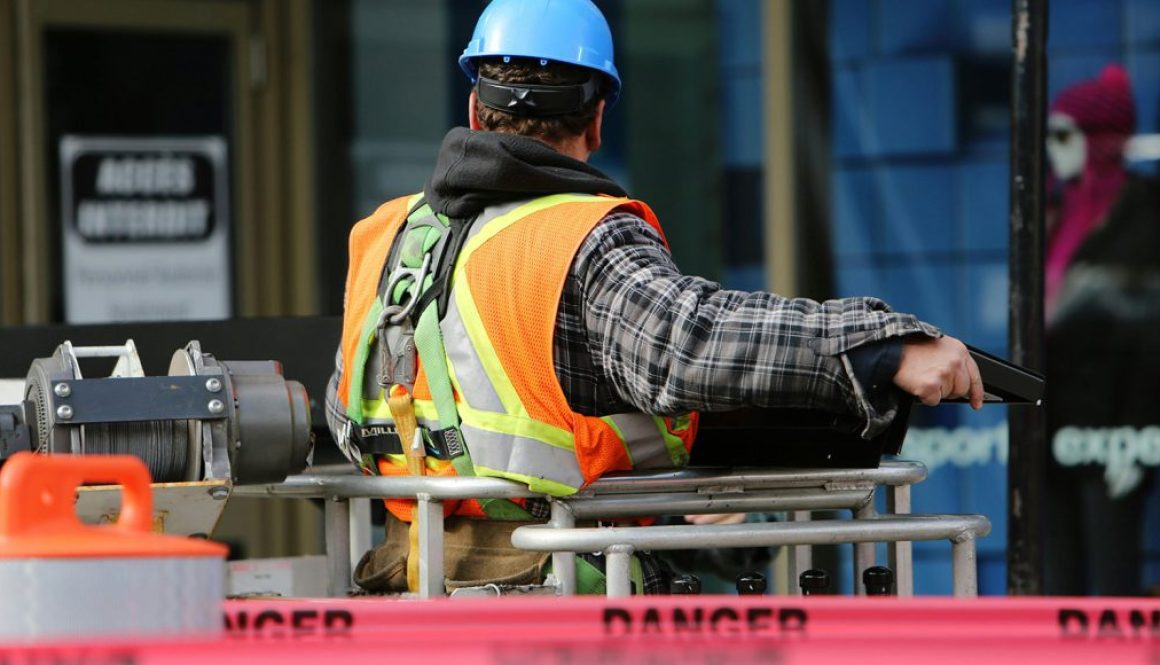
Mastering Construction Project Management: How to Keep Your Build on Time, On Budget & On Track
Effective project management is the backbone of every successful construction project. Whether you’re building a residential home, expanding a commercial property, or completing a large-scale development, good project management ensures that deadlines are met, quality standards are upheld, and unexpected challenges are handled with confidence.
Construction is a complex, multi-layered process involving consultants, contractors, suppliers, inspectors, and clients. Without clear coordination and oversight, even the simplest projects can suffer from delays, cost overruns, or technical issues. That’s where strong project management becomes essential—it turns a set of plans into a well-executed, safe, and high-quality structure.
Below are the core principles and strategies behind effective construction project management.
1. Start with Clear Project Objectives
Every successful construction project begins with a clear set of goals. Before breaking ground, you need to define:
- Purpose of the project
- Budget limitations
- Timeline expectations
- Design preferences
- Quality standards
Having well-defined objectives helps the project manager create a realistic plan, identify potential risks early, and coordinate teams effectively. Clear goals also ensure that everyone—builders, architects, engineers, and clients—shares the same vision.
2. Effective Planning: The Blueprint for Success
Planning is the most important stage of construction project management. It involves breaking the project into manageable tasks, assigning responsibilities, and creating a detailed schedule.
Good planning includes:
- Scope definition – what will be done, and what won’t
- Work breakdown structures – dividing the project into phases
- Material lists and procurement strategies
- Budget forecasting
- Risk identification and mitigation plans
A strong plan prevents surprises, minimises delays, and ensures that resources are used efficiently.
3. Build the Right Team
A construction project is only as good as the team behind it. Quality workmanship, safety compliance, and smooth communication all depend on having skilled professionals in place.
A strong project management team typically includes:
- Construction manager
- Foreman or site supervisor
- Skilled tradespeople
- Engineers and architects
- Health and safety officers
- Quality control personnel
The project manager ensures that all these professionals work together seamlessly, understand their roles, and remain aligned with the project’s goals.
4. Emphasise Communication and Coordination
Poor communication is one of the biggest causes of construction delays and costly errors. A good project manager keeps everyone updated, informed, and accountable.
Key communication strategies include:
- Weekly progress meetings
- Daily site briefings
- Clear reporting systems
- Updated schedules and progress charts
- Direct communication channels between team leaders
When everyone knows what is expected and when tasks are due, the project runs significantly smoother.
5. Budget & Resource Management
Cost control is a major part of construction project management. Unexpected expenses can easily derail a project, so constant monitoring and forward planning are essential.
A good project manager:
- Tracks spending against the budget
- Manages procurement of materials
- Ensures labour is used efficiently
- Reviews quotations and contracts
- Identifies cost-saving opportunities without compromising quality
Staying on top of financials helps prevent overspending and keeps the project within client expectations.
6. Ensure Safety & Compliance
Construction sites are high-risk environments, making safety a top priority. An effective project manager establishes strict safety protocols, conducts regular inspections, and ensures all workers are trained and equipped with proper protective gear.
Compliance with building codes, labour regulations, and environmental standards is equally important. Proper documentation and inspections protect both the client and the contractor.
7. Quality Control from Start to Finish
Quality assurance isn’t just a final step—it’s an ongoing process. Throughout construction, the project manager checks workmanship, materials, structural elements, and finishes to ensure they meet required standards.
Early detection of quality issues prevents costly repairs and ensures the final structure is durable, safe, and built to last.
Final Thoughts
Construction project management is a combination of planning, communication, leadership, and technical expertise. When done correctly, it keeps the entire process organised, efficient, and predictable—resulting in a high-quality build delivered on time and within budget.
At Kgwete Sons & Co., we bring years of industry experience to managing projects of all sizes. Our team ensures that every phase, from planning to handover, is handled with professionalism and precision. If you want your next construction project to run smoothly and successfully, our experts are here to help.