
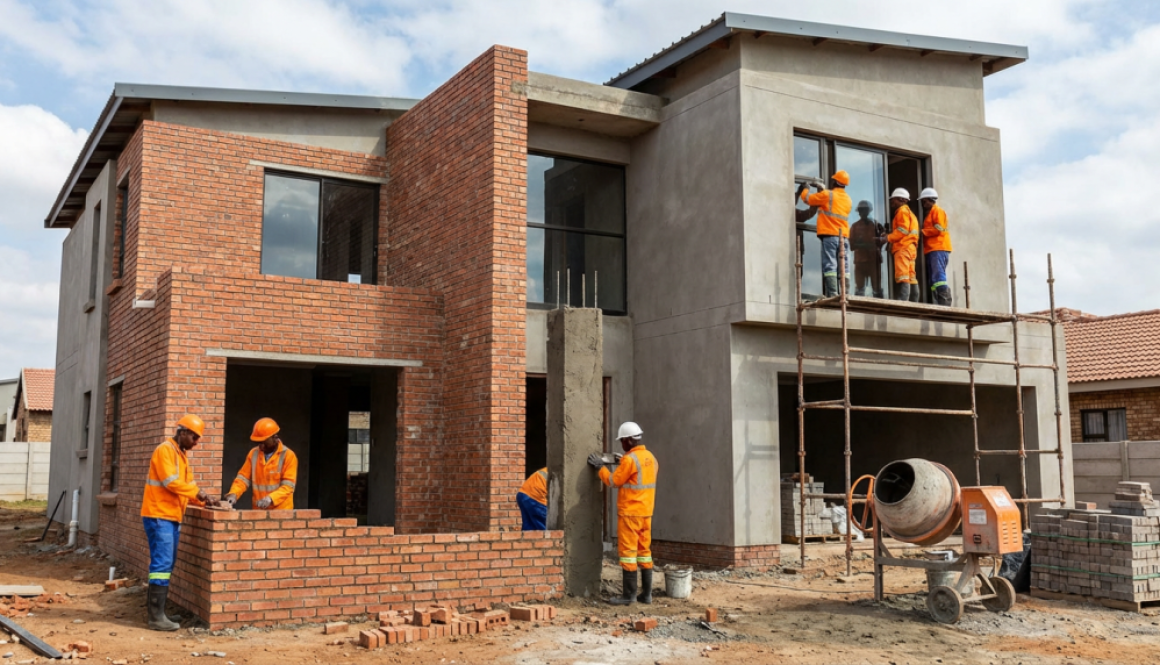
The Foundation of Excellence — What Defines a High-Quality Construction Project?
In the world of construction, success is measured not only by how quickly a project is completed, but by the strength, safety, and longevity of the final structure. From residential homes to large commercial developments, every project requires careful planning, skilled workmanship, and strong leadership. While trends and technologies will continue to reshape the industry, the fundamentals of high-quality construction remain the same. Understanding these fundamentals is essential for contractors, property owners, and project managers alike.
Below are the cornerstone elements that define a truly successful construction project.
1. Clear Vision and Comprehensive Planning
Before the first brick is laid, a project must begin with a clear and detailed plan. Comprehensive planning ensures that everyone involved understands the goals, budget, timeline, and scope of the project. This stage includes architectural designs, engineering assessments, cost estimates, risk evaluations, and compliance with local building regulations.
Proper planning prevents costly delays and allows decision-makers to anticipate and resolve potential challenges early. It lays the foundation for a smooth and well-coordinated project from start to finish.
2. Investing in the Right Materials
High-quality construction cannot exist without high-quality materials. Using durable, reliable products ensures structural strength, safety, and long-term performance. While cheaper alternatives may seem appealing, they often lead to premature deterioration, frequent repairs, and higher long-term costs.
Modern construction also benefits from advanced materials such as eco-friendly insulation, energy-efficient windows, and sustainable timber. These options not only improve the building’s lifespan but can also reduce energy usage and environmental impact.
3. Skilled Craftsmanship and Experienced Teams
Construction is a hands-on industry where skilled workers make all the difference. From masons and carpenters to electricians and plumbers, every trade plays a vital role in the integrity of a building. Hiring experienced and certified professionals ensures that all work is carried out correctly, safely, and efficiently.
Strong leadership is equally important. A capable project manager keeps teams organized, resolves issues quickly, and ensures the project stays on schedule. Clear communication between all stakeholders — builders, suppliers, engineers, and clients — enables the project to move forward without confusion or unnecessary delays.
4. Upholding Strict Safety Standards
Safety is one of the most important aspects of construction. A safe site protects workers, reduces liability, and minimizes interruptions caused by accidents. Implementing strict safety protocols — such as providing protective gear, conducting daily safety checks, and offering continuous training — ensures that everyone on site is protected.
A commitment to safety not only preserves lives but also builds trust with clients and improves overall productivity.
5. Effective Project Management
Successful construction requires strong project management to coordinate tasks, manage resources, and oversee progress. Good project managers monitor timelines, control budgets, and ensure quality at each stage. They also adapt to changes quickly, whether due to weather, supply shortages, or design modifications.
Effective project management balances all aspects of construction while keeping the project moving toward its goal.
6. Quality Control and Regular Inspections
Quality control measures must be integrated throughout the entire construction process. Regular inspections help identify issues early and guarantee that each phase meets required standards. This includes checking material quality, monitoring structural work, testing electrical and plumbing systems, and ensuring compliance with building codes.
Attention to detail during construction results in a structure that is safe, durable, and built to last.
7. Sustainable and Future-Focused Practices
With climate concerns and rising energy costs, sustainability is becoming a core element of modern construction. Eco-conscious design, renewable energy systems, and waste-reduction practices reduce environmental impact while lowering long-term costs for property owners.
Green building is not just a trend — it is the future of construction.
Conclusion
A high-quality construction project is the result of thoughtful planning, expert craftsmanship, strong management, and unwavering attention to safety and detail. When these principles are applied, the outcome is a structure that performs well, looks great, and stands the test of time. Whether you are building a new home, renovating an office, or developing an entire commercial site, focusing on these fundamentals ensures excellence from foundation to finish.
By building with care, precision, and vision, we create spaces that support communities, add value, and inspire confidence for generations to come.