
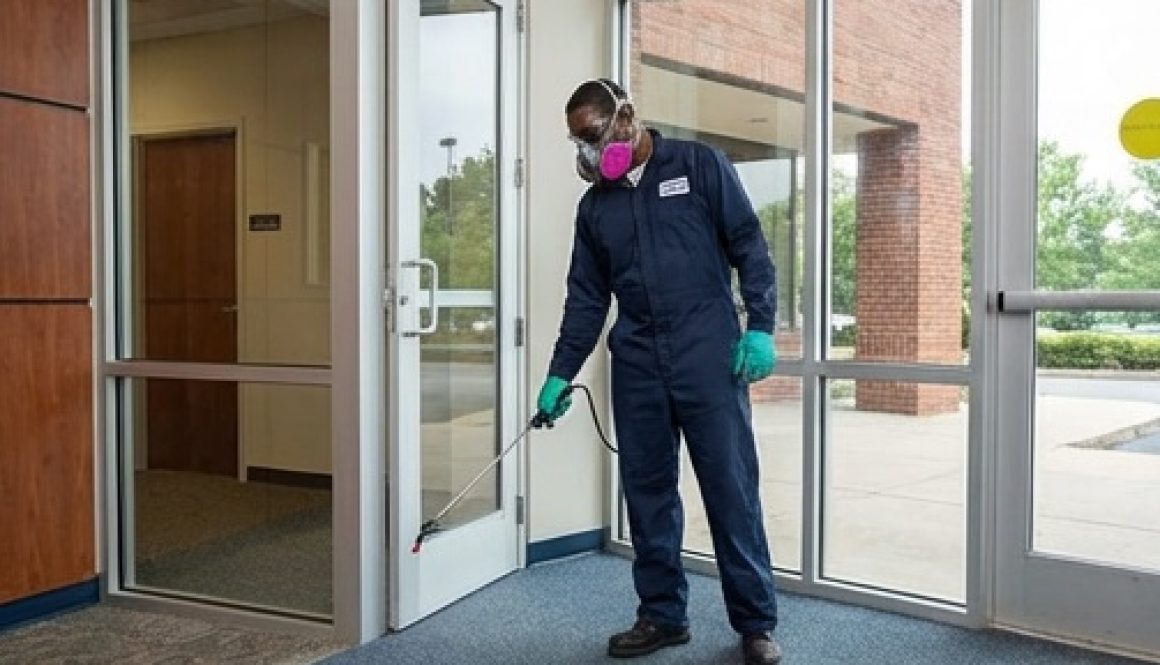
Essential Pest Control Tips for Homeowners: Pre-Construction Termite Prevention, Seasonal Pest Control & Year-Round Maintenance
Protecting your home from pests starts long before you move in—and continues throughout the year. Whether you’re building a new property or maintaining an existing one, taking proactive steps to prevent infestations can save you thousands of rands in repairs while keeping your family safe and comfortable. Termites, ants, rodents, cockroaches, and seasonal insects can become major problems if not handled early. The good news? With the right approach, you can stay one step ahead.
In this guide, we’ll cover pre-construction termite prevention, seasonal pest control strategies, and simple maintenance advice every homeowner should follow.
1. Pre-Construction Termite Prevention: Your First Line of Defence
Termites are among the most destructive pests in South Africa. Left unchecked, they can cause extensive structural damage, often without being noticed until it’s too late. Preventing a termite problem starts during the construction phase of your home.
Soil Treatment
Before the foundation is poured, a certified pest control professional should apply a specialised termiticide to the soil. This creates a protective barrier that stops termites from entering the building from below. Soil treatment is one of the most effective long-term prevention methods and is recommended for all new builds.
Use Treated Timber
Where possible, use pre-treated wood or termite-resistant building materials. Treated wood contains chemicals that deter termites and prevent colonies from forming inside structural components.
Avoid Wood-to-Soil Contact
When designing the structure, ensure timber elements do not come into direct contact with soil. Decks, fences, and wooden pillars should be installed with protective metal or concrete barriers to prevent easy access for termites.
Good Site Preparation
Poor drainage encourages moisture—a major attractant for termites. Proper grading, efficient gutters, and well-placed drains keep moisture away from the foundation and reduce the risk of infestation.
Taking these preventative steps during construction can provide decades of protection and reduce the need for costly repairs later.
2. Seasonal Pest Control: Stay Ahead All Year Long
Different pests thrive in different seasons, so your pest control strategy should adjust accordingly.
Summer: Insects Are Most Active
Warm weather brings ants, flies, cockroaches, mosquitoes, and termites.
Tips for summer pest control:
- Keep all food sealed and surfaces clean.
- Regularly empty dustbins—odours attract pests.
- Fix any leaking taps to reduce moisture.
- Consider an annual termite inspection, especially in high-risk areas.
- Use screens on doors and windows to keep flying insects out.
Autumn: Prepare Your Home for Cooler Weather
As temperatures drop, rodents and crawling insects look for warm spaces indoors.
Tips for autumn:
- Seal all cracks, gaps, and holes around doors, windows, and foundations.
- Store firewood away from the house.
- Trim vegetation so branches don’t touch the walls or roof.
- Schedule a professional rodent prevention inspection.
Winter: Rodents and Spiders Take Over
Winter is typically quieter for insects but busier for rodents.
Winter tips:
- Check the roof, attic, and garage for droppings or nesting material.
- Repair damaged insulation or gnawed wires immediately.
- Keep your home clutter-free to avoid nesting spots.
Spring: The Start of Breeding Season
Spring is when pests emerge and begin to multiply.
Spring tips:
- Deep-clean kitchens and storage areas.
- Remove standing water around the home.
- Inspect the exterior for cracks and repair them before pests move in.
- Book a spring pest control treatment to stay ahead of the season.
3. Home Maintenance Advice Every Owner Should Follow
Pest prevention isn’t just seasonal—it’s ongoing. Simple maintenance habits make a big difference.
- Declutter frequently—pests love hiding in boxes, piles, and dark corners.
- Store food in airtight containers, especially grains and pet food.
- Fix leaks immediately—moisture attracts ants, cockroaches, and termites.
- Clean gutters regularly to prevent stagnant water and debris buildup.
- Dispose of garden waste such as leaves, branches, and compost properly.
- Schedule annual pest inspections to detect problems early.
Final Thoughts
Taking a proactive approach to pest control—before, during, and after construction—protects your investment and keeps your home comfortable year-round. Pre-construction termite treatment, seasonal planning, and routine maintenance work together to prevent costly infestations and ensure your property stays safe, healthy, and pest-free.
If you’re building a new home or need professional pest management, Kgwete Sons & Co. provides trusted, certified, and effective solutions tailored to your needs. Reach out for expert advice or a free inspection today.