
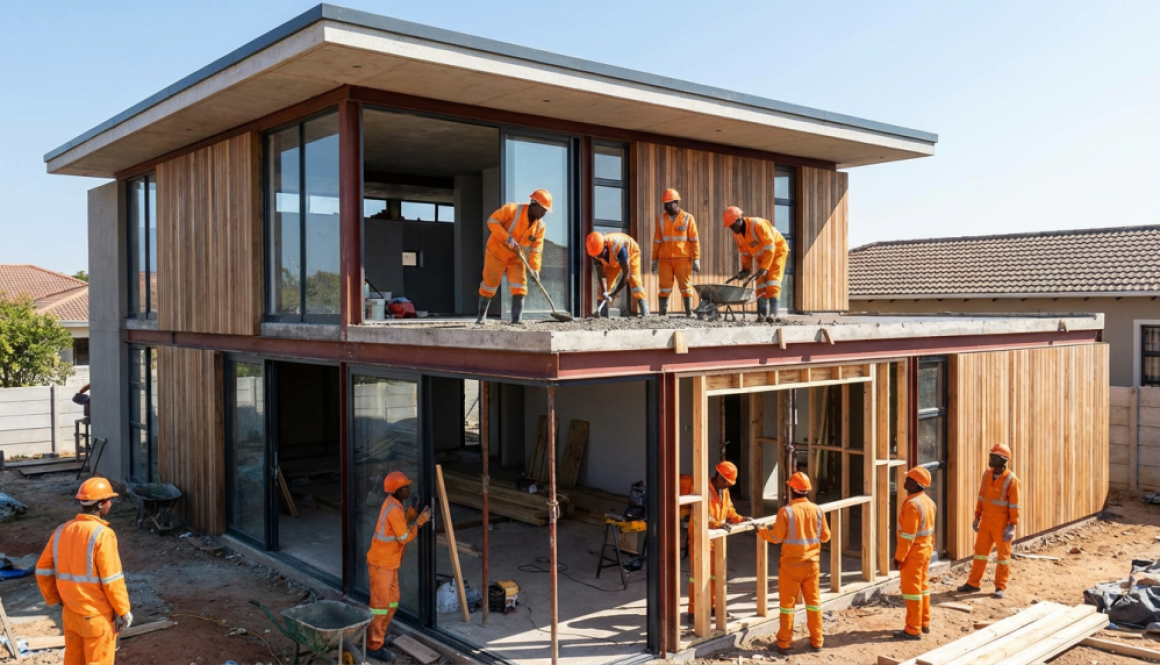
Key Principles for Successful Construction Projects
The construction industry is constantly evolving, shaped by new technologies, innovative materials, and increasingly complex project demands. Whether you’re a homeowner planning a renovation, a business developing new facilities, or a contractor leading multiple projects, understanding the core principles of successful construction is essential. When these fundamentals are followed, projects run smoother, risks are reduced, and the final outcome reflects both quality and durability.
At its core, construction is more than just bricks, steel, and concrete — it is a coordinated process of planning, execution, and continuous problem-solving. Here are some essential principles that contribute to the success of any construction project.
1. Thorough Planning and Design
Every strong building begins with a strong plan. Before any ground is broken, stakeholders should collaborate on detailed project designs, budgets, timelines, and material specifications. High-quality planning reduces the risk of unexpected complications and ensures all parties are aligned with the project’s goals.
Good planning includes:
- Realistic budgeting
- Clear architectural and engineering drawings
- Early identification of potential risks
- Compliance with local building regulations
- Transparent communication between designers, builders, and clients
A well-designed plan serves as the foundation for the entire project and creates a roadmap that guides each construction phase.
2. Using Quality Materials
Durability in construction comes down largely to the quality of materials used. Cutting corners by choosing cheaper alternatives can lead to future structural problems, additional repair costs, and compromised safety. Quality materials, on the other hand, offer longevity and better performance.
Additionally, today’s construction industry has access to eco-friendly materials such as recycled steel, sustainable wood, and energy-efficient insulation. Investing in these alternatives not only improves building performance but can also reduce long-term operating costs.
3. Skilled Labor and Strong Leadership
Even with perfect plans and the best materials, a project is only as strong as the team executing it. Skilled workers and competent leadership ensure tasks are completed safely, correctly, and on schedule. A professional construction team brings experience, precision, and efficiency to the project.
Effective leadership is equally important. A strong project leader ensures:
- Work is coordinated and distributed efficiently
- Safety protocols are followed
- Conflicts are resolved quickly
- Communication remains clear and consistent
This combination of expertise and leadership is essential for maintaining project momentum.
4. Safety First
Construction sites naturally involve risks, but with proper safety measures, these risks can be greatly minimized. Safety should always be a priority, not an afterthought.
Key safety measures include:
- Providing the right personal protective equipment (PPE)
- Regular training for workers
- Consistent site inspections
- Clear safety signage
- Strict adherence to legal safety standards
A safe site not only protects workers but also enhances productivity and reduces costly project delays due to accidents.
5. Quality Control Throughout the Process
Quality control is not something to be checked at the end of the project — it should be ongoing. Regular inspections at each milestone ensure the work meets the required standards and prevent smaller issues from becoming larger problems.
A solid quality control process includes:
- Verifying materials before installation
- Monitoring workmanship
- Testing structural components
- Documenting progress
- Addressing issues immediately
When quality is monitored from start to finish, the final product is a structure that stands strong for years.
6. Flexibility and Adaptability
No matter how well-planned a project is, changes and challenges are inevitable. Weather conditions, supply delays, design updates, and unexpected ground conditions can all impact timelines. Successful construction teams remain flexible, adjusting plans without sacrificing quality.
Adaptability helps keep projects moving forward while ensuring that all decisions support long-term goals.
Conclusion
Construction is a complex and dynamic field, but with proper planning, quality materials, skilled labor, strong leadership, and a commitment to safety and quality control, any project can achieve outstanding results. Whether you’re building a new home, a commercial structure, or a public facility, applying these principles will ensure your project stands the test of time — both structurally and financially.
By embracing these fundamentals, you build more than just structures… you build confidence, durability, and value.