
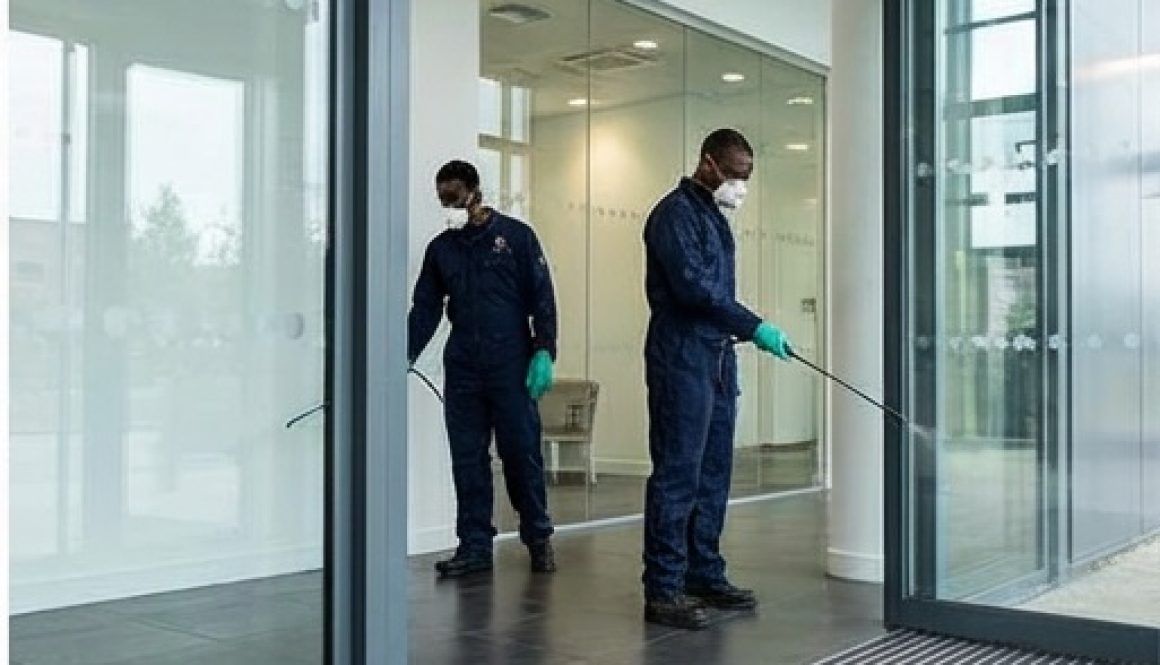
A Pest-Free Home: Effective Pest Control Strategies Every Homeowner Should Know
Pests are more than just a nuisance—they can pose serious health risks, cause structural damage, and reduce the comfort of your home. Whether it’s termites silently eating away at your foundation, cockroaches contaminating kitchen surfaces, or rodents damaging electrical wiring, infestations can quickly get out of control if not dealt with early. The good news is that with the right knowledge and preventative measures, homeowners can keep their properties safe, clean, and pest-free all year round.
In this guide, we break down essential pest control strategies, early warning signs, and long-term solutions that every homeowner should know.
1. Understanding Common Household Pests
The first step to effective pest control is knowing what you’re dealing with. Here are some of the most common pests South African homeowners encounter:
Termites
Often called “silent destroyers,” termites can cause severe structural damage long before you notice them. They thrive in moist environments and feed on wood, making them one of the biggest threats to homes.
Cockroaches
These pests reproduce quickly, carry harmful bacteria, and are incredibly resilient. They usually hide in dark, warm places and come out at night to feed.
Rodents
Rats and mice chew through wires, pipes, food packaging, and insulation. They also spread diseases and contaminate food sources.
Ants
While most ant species are harmless, they can become a problem when they form large colonies inside or near your home. They are attracted to food and moisture.
Bed Bugs
These pests feed on human blood and spread quickly, especially in bedding, furniture, and carpets.
Knowing the type of pest helps determine the best control strategy and whether professional treatment is needed.
2. The Importance of Regular Inspections
Early detection is the key to preventing serious infestations. Professional pest inspections allow experts to identify signs of activity before they become major problems.
Common early signs include:
- Droppings or smear marks
- Shed wings or dead insects
- Gnawed furniture, wires, or packaging
- Unusual smells or scratching noises
- Soft, hollow-sounding wood
Scheduling annual or seasonal inspections is especially important for homeowners in high-risk areas or those with older properties. Catching a pest problem early can save you significant time, money, and stress.
3. Preventative Measures Every Homeowner Should Follow
Prevention is always better—and cheaper—than treatment. Here are simple, effective steps to reduce your risk of pest infestations:
Seal Entry Points
Pests enter through cracks, gaps, and openings. Seal holes around doors, windows, pipes, and foundations using caulk, steel wool, or weather stripping.
Maintain Cleanliness
Pests are attracted to food, grease, and crumbs. Keep your home clean by wiping surfaces, storing food in airtight containers, and emptying the bin regularly.
Eliminate Moisture
Fix leaks, unclog gutters, and reduce damp areas. Moisture is a major attractant for termites, cockroaches, and ants.
Keep the Yard Tidy
Trim bushes and trees, remove debris, and avoid storing firewood near the house. Overgrown gardens and clutter create breeding grounds for pests.
Proper Waste Management
Secure bins with tight lids and keep compost areas far from the house.
Small habits like these dramatically decrease the likelihood of pests settling in your home.
4. When to Call a Professional Pest Control Service
While DIY solutions may help with minor pest problems, professional pest control services offer a long-term, reliable solution—especially for larger infestations.
Professional pest technicians:
- Identify the exact species and level of infestation
- Use safe, effective, and approved products
- Provide targeted treatments for long-lasting results
- Offer preventative advice and follow-up services
- Ensure the safety of your family, pets, and property
For pests like termites, bed bugs, and rodents, expert treatment is the most effective option.
Final Thoughts
Keeping your home pest-free requires a combination of awareness, preventative measures, and professional support when necessary. By understanding common pests, recognising early warning signs, and taking proactive steps, you can protect your property from damage and maintain a healthy living environment.
At Kgwete Sons & Co., we provide safe, certified, and reliable pest control solutions tailored to your home’s needs. Whether you’re dealing with recurring pests or want preventative treatment, our team is ready to help you achieve long-lasting peace of mind.