
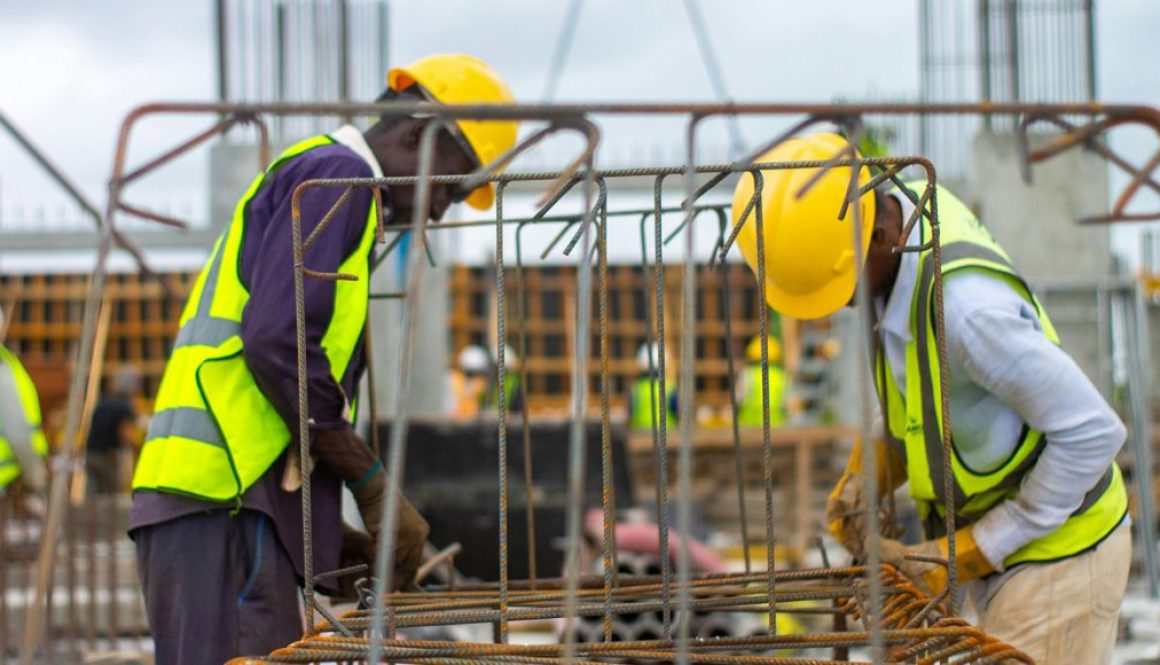
From Groundwork to Finishes: Understanding the Construction Process Step by Step
For many homeowners and property developers, the construction process can feel complex and overwhelming. A building is more than bricks and mortar—it’s a carefully coordinated sequence of planning, preparation, skilled labour, inspections, and finishing work. Understanding how each stage fits together not only reduces stress but helps you make informed decisions that protect your investment.
Whether you’re building a home, a commercial property, or an extension, knowing what to expect at each stage ensures the process is smooth, transparent, and successful. Below is a step-by-step breakdown of the typical construction process and why each phase matters.
1. Planning and Design: The Blueprint of Success
Every construction project begins long before the first brick is laid. The planning and design stage determines the entire direction of your project.
This stage includes:
- Concept planning and initial discussions
- Architectural designs and drawings
- Engineering assessments
- Land surveys and soil tests
- Budget estimations
This is also when you finalise the layout, room sizes, materials, and overall look of the building. The more detailed and accurate your plans, the fewer delays and changes you’ll face later. Many problems—budget overruns, structural issues, and reworks—can be avoided with strong planning from the start.
2. Obtaining Permits and Approvals
Before construction can begin, you must secure approval from the relevant municipal authorities. These permits ensure the structure meets local building codes, environmental regulations, and zoning requirements.
Your construction partner will often assist with:
- Building plan submissions
- Compliance documents
- Environmental checks
- Required inspections
Skipping this step can lead to major fines, construction halts, or even demolition orders. Proper approval protects you legally and ensures your project is built safely.
3. Site Preparation and Foundation Work
Once approvals are in place, physical work begins. The site is cleared, levelled, and prepared for construction. This stage typically includes:
- Removing vegetation, debris, or old structures
- Grading the land for proper drainage
- Setting out the building footprint
- Excavating trenches
- Laying foundations, footings, and slabs
The foundation is the most important structural element of any building. A strong, well-constructed foundation prevents future settlement, cracks, and structural instability. Quality workmanship here ensures the entire building remains solid for decades.
4. Structural Work: Walls, Frames, and Roofing
After the foundation cures, the building starts to take shape. This phase includes:
- Building exterior and interior walls
- Installing beams and support structures
- Setting up roof trusses or frameworks
- Applying roofing materials
This is often the most exciting stage for clients, as the structure becomes visibly recognisable. Skilled labour and precision are crucial—mistakes in the structural phase can lead to long-term safety issues or costly corrections.
5. Plumbing, Electrical, and Internal Systems
Once the structure is secure, the installation of essential systems begins. This includes:
- Electrical wiring and circuit layout
- Plumbing pipes and drainage systems
- HVAC (heating, ventilation, and cooling) where applicable
- Gas lines and insulation
These systems must be installed according to strict safety and compliance standards. Proper installation prevents hazards such as electrical faults, leaks, damp problems, and poor ventilation.
Before the walls are closed off with plaster or boards, inspections are carried out to verify the safety and correctness of the internal systems.
6. Plastering, Flooring, and Finishing Work
The finishing stage transforms the building into a livable or workable space. It involves:
- Wall plastering and painting
- Tiling or installing flooring
- Fitting doors, cabinets, and countertops
- Installing light fixtures and switches
- Final plumbing fixtures (taps, sinks, toilets)
- Ceiling installations
This is where your style choices—colours, textures, and materials—come to life. Professional finishing ensures the building looks polished, functional, and ready for occupancy.
7. Final Inspections and Handover
Before the building can be occupied, a series of final inspections must be conducted to ensure safety, functionality, and compliance. Any defects are noted and corrected. Once everything is verified, the property is officially handed over to the owner.
A reputable construction company provides a completion certificate, warranties, and maintenance guidance to ensure long-term performance.
Final Thoughts
Understanding the construction process gives you confidence and clarity as your project unfolds. Every stage—planning, approvals, foundation work, structural building, system installations, and finishing—contributes to the success of the final structure.
At Kgwete Sons & Co., we guide clients through every step with transparency, skill, and dedication to quality. Whether you’re starting a new build or planning a renovation, our team is ready to help you bring your vision to life—safely, efficiently, and professionally.