
Building with Confidence: Key Considerations for a Successful Construction Project
Starting a construction project—whether it’s a new home, a commercial space, or a renovation—is an exciting milestone. But it can also be overwhelming if you don’t have the right team, planning, or knowledge guiding the process. Construction projects are major investments, and the decisions you make early on will determine how smoothly things run and how satisfied you are with the final result.
Whether you’re a homeowner, a business owner, or a property developer, understanding the essential components of a successful construction project can save time, reduce costs, and prevent unnecessary stress. Here are the most important factors to keep in mind before and during construction.
1. Start with a Clear Vision and Detailed Plan
Every successful project begins with a well-defined vision. Before construction begins, take time to think about your goals, needs, and expectations. Ask yourself:
- What will the space be used for?
- How much flexibility do I need for future expansion or changes?
- What style, layout, and finishes do I envision?
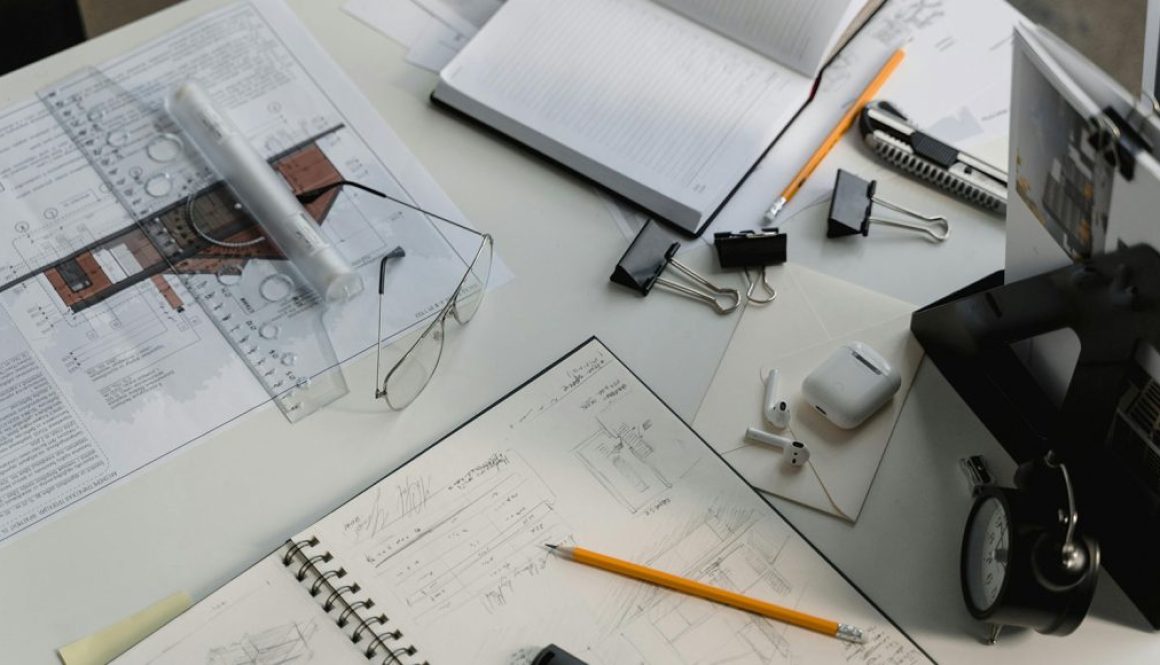
Once your vision is clear, put it into a detailed plan. A good construction plan includes architectural drawings, engineering input, site assessments, and a realistic budget. Clear plans reduce confusion, improve accuracy, and help prevent expensive mid-project changes.
2. Choose the Right Construction Partner
Selecting a reliable construction company is one of the most important decisions you’ll make. The right contractor will guide you, provide professional insight, keep the project on track, and maintain high standards of workmanship.
When choosing a construction partner, consider:
- Experience and expertise in similar projects
- Reputation and past client reviews
- Certifications and compliance with industry standards
- Transparency in pricing, timelines, and communication
- Quality of previous work—request to see a portfolio
A trustworthy construction team takes the guesswork out of the process and ensures your project is completed safely and professionally.
3. Understand Your Budget and Cost Drivers
Construction costs can increase quickly if you’re not prepared. It’s essential to establish a realistic budget and understand what impacts pricing, including:
- Material choices and quality
- Labour requirements
- Structural changes and engineering
- Site conditions
- Finishes, fixtures, and custom features
Create a buffer for unexpected expenses—typically 10–15%—to give yourself flexibility without derailing the project. A good contractor will help you manage costs and suggest alternatives that fit your budget without compromising quality.
4. Prioritise Quality Materials and Workmanship
Choosing cheap materials may seem like a cost-saving strategy, but it often leads to higher maintenance costs and reduced durability. Quality materials improve:
- Structural integrity
- Safety
- Energy efficiency
- Long-term value
Reliable contractors ensure compliance with building standards, use high-quality materials, and maintain consistent craftsmanship. When you invest in quality from the beginning, your building remains strong, safe, and valuable for years to come.
5. Ensure Safety and Compliance
Construction sites involve significant risk, which makes safety a top priority. Always work with professionals who follow proper safety procedures, use appropriate protective equipment, and adhere to legal requirements.
Compliance with building codes, zoning laws, environmental regulations, and municipal guidelines protects you from penalties, delays, and future structural problems. Professional contractors maintain proper documentation and oversee inspections to ensure your project meets all legal standards.
6. Communicate Clearly and Frequently
Effective communication keeps a construction project moving smoothly. Set up regular updates with your contractor to discuss progress, challenges, and decisions that need to be made. Transparent communication prevents misunderstandings and ensures everyone stays aligned with the project vision.
7. Plan for the Long Term
A good construction project is not just about immediate needs—it should support your lifestyle or business for years to come. Consider:
- Future expansions
- Maintenance needs
- Energy efficiency
- Structural durability
- Layout flexibility
Thinking long-term increases your return on investment and ensures your structure remains functional and valuable.
Final Thoughts
Construction doesn’t need to be stressful or unpredictable. With clear planning, the right team, quality materials, and open communication, your project can be completed on time, within budget, and to your exact expectations.
Whether you’re building from the ground up or upgrading an existing structure, Kgwete Sons & Co. is committed to delivering reliable, durable, and expertly crafted results. Reach out for professional guidance or a detailed construction quote today.